In this article
Rhassoul, also spelled ghassoul, is a natural clay mined in the Atlas Mountains of Morocco. It has been part of the hammam ritual for centuries, used to wash both skin and hair. Today it is a favourite of natural beauty shops and spas, because it is simple, versatile and easy to explain.
What makes rhassoul different
Rhassoul comes from deposits in the Middle Atlas, in eastern Morocco, and is not found in the same form anywhere else. It is a mineral-rich clay, naturally high in magnesium and silica. On ingredient lists, it usually appears as Moroccan Lava Clay.
Its main quality is that it cleanses gently. Mixed with water, it forms a smooth paste that absorbs excess oil and impurities without leaving the skin feeling stripped, which is why it is used as both a face mask and a hair wash.
How to use rhassoul
Rhassoul is sold dry and mixed just before use. Explaining these steps on your product page helps customers get good results:
- Put one to two tablespoons of rhassoul in a bowl, ideally glass, wood or ceramic.
- Add water or rose water little by little, mixing until you get a smooth paste.
- For the face: apply a thin layer, leave for 5 to 10 minutes, and rinse before it dries completely.
- For hair: apply a looser paste to damp hair and scalp, massage gently, leave a few minutes and rinse well.
- In the hammam: use after black soap and the kessa glove, as the final cleansing step.
Powder or raw flakes?
Rhassoul comes in two main forms:
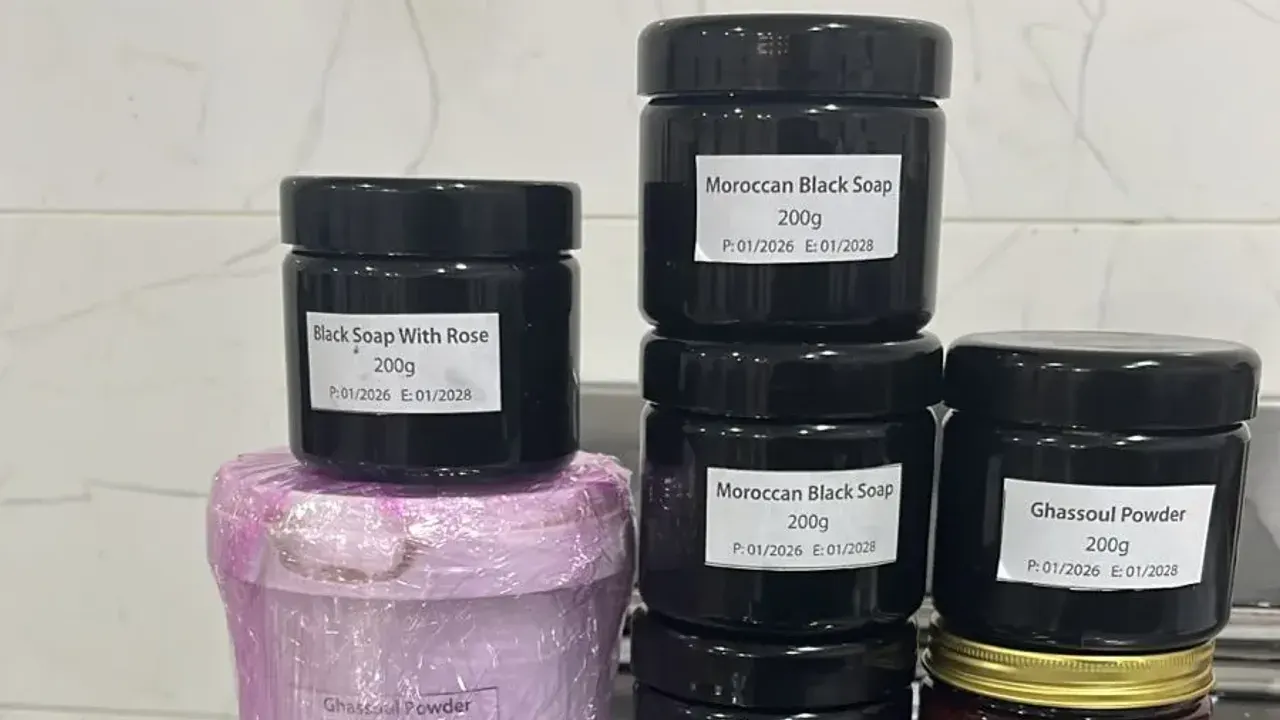
- Fine powder: ready to mix, easy to use, best for retail and for customers new to clay.
- Raw flakes or pieces: the traditional form, softened in water before use. Popular with customers who want the most authentic product, and with hammams.
There is also a traditional rhassoul with herbs, prepared with plants and flowers. It has a richer scent and makes a good premium option.
What to check when buying in bulk
- Texture and colour: good rhassoul powder is fine, even, and brown to grey-brown, without sand or grit.
- Clean packaging: clay absorbs moisture and smells, so it should arrive in sealed packaging.
- Batch number: every bag or jar should carry one, along with a best-before date.
- Documents: ask for the ingredient list for your labels, and a Safety Data Sheet (SDS) if your market or platform requires it.
Formats that work
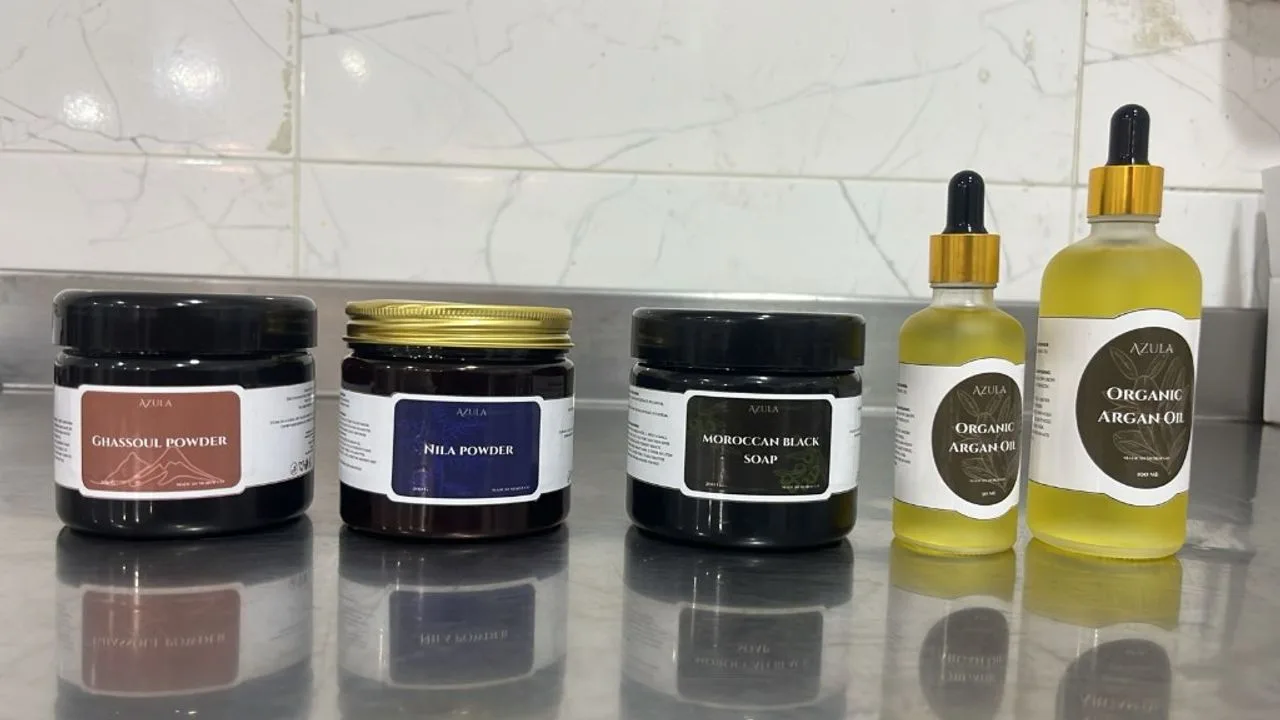
- Small pouches or jars (100 to 250 g) for retail and online shops.
- Larger bags for spas, hammams and salons that prepare treatments every day.
- Single-use portions for hammam kits and hotel amenities.
Storage
Keep rhassoul dry and closed, away from humidity. Customers should never put water into the main jar; mix only the amount needed in a separate bowl.
FAQ
Is rhassoul the same as ghassoul?
Yes. Rhassoul and ghassoul are two spellings of the same Moroccan clay.
Can rhassoul be used on oily and dry skin?
It is popular for oily and combination skin. For dry skin, customers can mix it with rose water and add a drop of argan oil, and keep the mask short.
Can rhassoul replace shampoo?
Many people use it as an occasional natural hair wash. It doesn't foam like shampoo, so it helps to explain this on the label.
What is the minimum order?
You can start from 50 pieces and combine rhassoul with black soap, kessa gloves and other products in the same order.